Industrial electric motors play an essential role in modern manufacturing and commercial operations. They power pumps, compressors, conveyors, fans, blowers, and heavy machinery. However, starting an electric motor can create sudden electrical and mechanical stress. High starting current may affect electrical systems, while sudden torque can damage connected equipment. Understanding different types of soft starters helps businesses select suitable motor control solutions. These devices provide controlled acceleration and reduce the impact of motor startup. Choosing the correct technology improves equipment reliability, protects electrical components, and supports smoother industrial operations.
What Is a Soft Starter and How Does It Work?
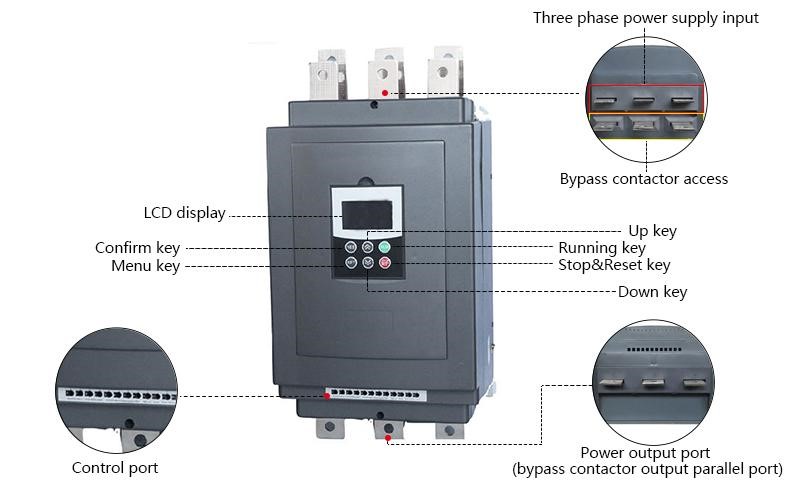
A soft starter is an electrical control device designed for three-phase AC motors. It gradually increases the voltage supplied during the starting process. This controlled voltage adjustment helps reduce excessive starting current. It also limits sudden torque changes that affect mechanical equipment. Most modern electronic models use silicon-controlled rectifiers (SCRs) or thyristors. These semiconductor components regulate the electrical power reaching motor windings. As the motor accelerates, the controller gradually increases its output voltage. Once normal operating speed is reached, a bypass contactor may carry current. This arrangement reduces semiconductor heating during continuous motor operation.
Why Are Soft Starters Important for Industrial Applications?
Industrial facilities often operate motors that require substantial electrical power. Direct-on-line starting can produce significant current surges. These surges may cause voltage drops across electrical distribution systems. They can also trigger protective devices or interrupt nearby equipment. Mechanical components experience additional stress from sudden acceleration. Controlled motor starting helps address these common operating challenges. It also supports equipment longevity and more predictable production processes. Many American facilities employ reduced-voltage starting solutions using soft starters across different industries. The correct selection depends on motor specifications and application requirements.
Key Benefits of Controlled Motor Starting
- Reduced starting current: Limits excessive electrical demand during motor acceleration.
- Lower mechanical stress: Reduces sudden torque applied to connected machinery.
- Smoother acceleration: Helps equipment reach operating speed more gradually.
- Improved pump protection: Reduces pressure surges and potential water hammer.
- Reduced maintenance requirements: Helps protect mechanical components against unnecessary wear.
- Better electrical stability: Minimizes voltage disturbances during motor startup.
- Flexible operation: Allows technicians to adjust starting parameters for specific loads.
Different Types of Soft Starters and Their Working Principles
Motor starting technology has developed significantly over recent decades. Industrial facilities can choose from several reduced-voltage starting methods. Some traditional designs use electrical resistance or transformer arrangements. Modern electronic systems provide more precise voltage and current control. Each technology offers different advantages, limitations, and installation requirements. Understanding these differences helps engineers select appropriate equipment. Motor horsepower, starting torque, and load characteristics influence the final decision.
1. Solid-State Soft Starters
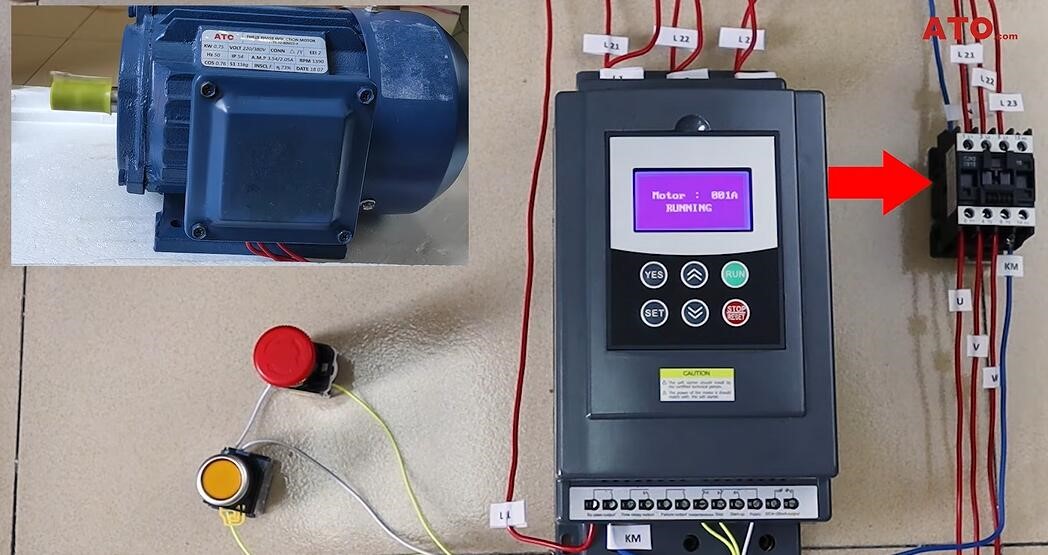
Solid-state technology is widely used in modern industrial motor control systems. These devices use SCRs to regulate voltage during motor acceleration. Electronic control circuits manage the firing angles of semiconductor components. This process gradually increases the voltage supplied to motor windings. Many models also include adjustable current limits and soft stopping functions. Advanced versions provide overload protection, phase monitoring, and communication capabilities. They are suitable for applications requiring consistent acceleration and reduced mechanical stress.
Common applications include:
- Industrial water pumps and wastewater treatment systems.
- HVAC equipment, ventilation fans, and commercial air handling units.
- Conveyor belts used in manufacturing and distribution facilities.
- Air compressors and industrial refrigeration systems.
- Crushers, mixers, and material processing equipment.
2. Autotransformer Starters
Autotransformer starting uses transformer windings to reduce motor voltage. The equipment provides different voltage settings through selectable transformer taps. Common settings include 50%, 65%, and 80% of supply voltage. Lower starting voltage reduces the initial current drawn from the electrical supply. This method also provides useful starting torque for demanding loads. After acceleration, contactors transfer the motor to full line voltage. Autotransformer designs are particularly useful for larger motors. However, their physical size and installation costs require consideration.
Common applications include:
- Large industrial pumps requiring controlled acceleration.
- Heavy-duty compressors used in manufacturing plants.
- Industrial machinery with demanding starting torque requirements.
- Large ventilation systems and commercial cooling equipment.
- Equipment operating on electrical supplies with limited capacity.
3. Wye-Delta Starters
Wye-delta starters reduce starting current through a special motor winding connection. During startup, motor windings connect in a wye configuration. This arrangement reduces the voltage applied across individual windings. After acceleration, contactors reconnect the motor into delta configuration. The motor then operates at its rated supply voltage. This method generally requires a compatible motor with six accessible winding terminals. It provides relatively economical reduced-voltage starting for suitable applications. However, starting torque is also reduced, which limits certain heavy-load applications.
Common applications include:
- Centrifugal pumps with relatively low starting torque requirements.
- Industrial fans and ventilation equipment.
- Compressors designed for unloaded starting conditions.
- Conveyor systems with manageable initial mechanical loads.
- Manufacturing machinery compatible with wye-delta connections.
4. Part-Winding Starters
Part-winding starting uses specially designed motors with separate winding sections. Initially, the starter energizes only one winding section. After a short delay, additional winding sections receive power. This arrangement reduces the initial electrical demand compared with direct starting. However, acceleration occurs in separate stages rather than continuously. The motor must support part-winding operation from its original design. This method generally offers simple construction and economical installation. Its limited starting flexibility makes proper motor selection particularly important.
Common applications include:
- Refrigeration compressors designed for part-winding operation.
- Industrial cooling equipment with compatible motor windings.
- Selected air conditioning compressor installations.
- Machinery requiring straightforward reduced-current starting arrangements.
5. Primary Resistance Starters
Primary resistance starters use resistors connected in series with motor windings. These resistors create a voltage drop during motor startup. Consequently, the motor receives reduced voltage initially. As acceleration progresses, contactors gradually remove the resistance. Full supply voltage then reaches the motor windings. This traditional method can provide relatively smooth acceleration. However, resistance elements generate heat during operation. Modern electronic alternatives often provide better control and efficiency. Therefore, primary resistance designs are less common in newer installations.
Common applications include:
- Older industrial motor control installations.
- Selected machinery with straightforward starting requirements.
- Existing facilities maintaining traditional electrical equipment.
- Applications where compatible resistance-based systems already exist.
6. Primary Reactor Starters
Primary reactor starters use inductive components instead of resistors. Reactors are connected in series with motor supply lines. Their electrical impedance reduces the voltage available during startup. As the motor accelerates, switching arrangements apply full voltage. This approach limits initial current without using resistive elements. However, starting torque decreases when motor voltage decreases. Reactor-based designs are less common than modern electronic alternatives. Their suitability depends on equipment availability and specific operating requirements.
Common applications include:
- Legacy industrial electrical installations.
- Selected large motor starting arrangements.
- Facilities maintaining existing reactor-based control systems.
- Applications requiring traditional reduced-voltage starting methods.
Industrial Applications of Modern Motor Starting Technology
Different industries operate electric motors under different load conditions. Their starting requirements depend on equipment design and operating environments. Selecting suitable motor control equipment can improve production reliability. It can also help prevent unnecessary electrical and mechanical problems. Several American industries regularly use controlled motor starting systems. Understanding these applications helps businesses identify appropriate automation equipment.
1. Water and Wastewater Treatment Plants
Water treatment facilities depend on pumps for continuous water movement. Sudden pump acceleration can create pressure fluctuations inside pipelines. These fluctuations may contribute to water hammer and equipment damage. Controlled acceleration helps reduce sudden pressure changes during startup. Soft stopping can also support smoother pump shutdown procedures. Treatment facilities use these systems across pumping stations and distribution networks. Proper settings should reflect pump characteristics and pipeline operating conditions.
2. Manufacturing and Production Facilities
Manufacturing plants operate conveyors, mixers, presses, and processing machinery. Many systems require reliable motor acceleration during production cycles. Sudden starting torque can damage belts, couplings, and mechanical assemblies. Controlled starting helps reduce unnecessary stress on these components. It also supports smoother material movement across production lines. Engineers should evaluate machinery inertia and starting frequency carefully. These considerations help maintain consistent production performance and equipment reliability.
3. HVAC and Commercial Building Systems
Commercial buildings rely on motors for ventilation and cooling. Large fans and air handling units require dependable startup performance. Sudden electrical demand can affect building distribution systems. Controlled acceleration helps reduce current surges during equipment startup. It also reduces mechanical stress on fan assemblies and drive components. Building operators should consider motor ratings and ventilation requirements. Proper equipment selection supports dependable HVAC operation throughout the year.
4. Mining and Material Handling
Mining operations use powerful motors across several material handling systems. Crushers, conveyors, feeders, and processing equipment face demanding operating conditions. Sudden motor acceleration can create significant mechanical loading. Reduced-voltage starting helps manage these starting conditions. Engineers must also consider load inertia and required starting torque. Heavy-duty installations may require specialized motor protection equipment. Proper coordination supports safer and more reliable industrial operations.
5. Oil, Gas, and Chemical Processing
Oil, gas, and chemical facilities depend on pumps and compressors. These machines often operate under demanding industrial conditions. Starting current limitations can affect electrical distribution equipment. Controlled acceleration helps reduce electrical disturbances during motor startup. However, hazardous locations require appropriately certified electrical equipment. Engineers must evaluate enclosure ratings and applicable safety standards. Equipment selection should follow site-specific electrical and environmental requirements.
How to Choose the Right Motor Starting Solution
Selecting appropriate motor control equipment, including Soft Starters, requires more than comparing purchase prices. Engineers must understand the motor, driven equipment, and electrical supply. Incorrect sizing can create overheating or insufficient starting torque. The operating environment also affects equipment performance and service life. A careful assessment helps identify the most suitable technology. Businesses should consider the following technical factors before purchasing equipment.
Important Selection Factors
- Motor horsepower: Check the motor's rated horsepower and full-load current.
- Supply voltage: Confirm compatibility with the available electrical distribution system.
- Starting torque: Determine the torque needed to accelerate the connected load.
- Load inertia: Evaluate how much resistance the machinery creates during acceleration.
- Starting frequency: Consider the number of starts permitted each hour.
- Protection features: Review overload, phase loss, and thermal protection capabilities.
- Installation environment: Check ambient temperature, ventilation, and enclosure requirements.
- Control integration: Consider PLC compatibility and available communication protocols.
Soft Starter vs. Variable Frequency Drive: What Is the Difference?
A variable frequency drive (VFD) controls motor speed by adjusting output frequency. It can also regulate voltage to maintain suitable motor operation. In comparison, conventional reduced-voltage starting equipment mainly controls acceleration and deceleration. It generally allows the motor to operate at normal supply frequency. A VFD is more suitable when continuous speed adjustment is necessary. A conventional starter is often more economical for fixed-speed applications. Therefore, businesses should identify their operating objectives before choosing equipment. Both technologies offer valuable benefits under different operating conditions.
Maintenance Tips for Reliable Motor Starting Performance
Regular maintenance helps industrial motor control equipment operate reliably. Technicians should inspect electrical connections for looseness and overheating. Cooling fans and ventilation openings must remain clean. Overload settings should match the motor's nameplate specifications. Maintenance teams should also inspect contactors and bypass components. Fault codes and operating histories can reveal developing problems. Periodic inspections help identify potential failures before production interruptions occur. Always follow manufacturer instructions and qualified electrical maintenance procedures.
Frequently Asked Questions (FAQs)
1. What are the main types of motor starters?
The main reduced-voltage starting methods include solid-state, autotransformer, and wye-delta designs. Other traditional options include part-winding, primary resistance, and reactor starters. Each method offers different electrical and mechanical starting characteristics.
2. Why do industrial motors need controlled starting?
Industrial motors can draw high current during direct-on-line startup. This demand may cause voltage drops and mechanical stress. Controlled starting helps reduce these effects and improve equipment reliability.
3. How does an electronic motor starter reduce starting current?
Electronic controllers use SCRs to regulate the voltage supplied during startup. They gradually increase voltage as the motor accelerates. This reduces the initial current demand and sudden torque changes.
4. Where are reduced-voltage motor starters commonly used?
They are commonly installed in manufacturing plants, water treatment facilities, and HVAC systems. Mining, oil processing, and material handling operations also use them. Their suitability depends on motor and load requirements.
5. What is the difference between a soft starter and a VFD?
A conventional starter controls motor acceleration and sometimes deceleration. A VFD controls motor speed by changing electrical supply frequency. VFDs suit variable-speed applications, while conventional starters suit fixed-speed equipment.